Confused by mixed signals? Learn the meaning of breadcrumbing in dating, 13 warning signs he’s leading you on, and how to respond confidently.
Have you ever met someone who sends sweet texts one day, disappears for a week, and then suddenly comes back as if nothing happened? They flirt just enough to keep you interested but never take the relationship anywhere. You keep wondering whether they’re genuinely busy, emotionally confused, or simply not that interested. Every notification gives you hope, every silence leaves you anxious, and somehow you find yourself waiting for the next message.
If this feels familiar, you may be experiencing breadcrumbing in dating.
Breadcrumbing is one of the most emotionally draining dating behaviors because it creates confusion instead of clarity. Instead of giving consistent love and attention, a person offers tiny pieces of affection—just enough to keep you emotionally invested without committing to a real relationship. The result is an endless cycle of hope, disappointment, and self-doubt.
The hardest part is that breadcrumbing doesn’t always look toxic in the beginning. It often starts with exciting conversations, intense flirting, and promises about the future. But as time passes, you notice that their actions never match their words. They keep you emotionally available while avoiding any real commitment.
In this guide, you’ll learn exactly what breadcrumbing means, why people do it, the psychology behind this behavior, and the 13 biggest signs someone is leading you on. By the end, you’ll know how to recognize the red flags early and protect your emotional well-being before investing more time in the wrong person.
What Is Breadcrumbing in Dating?
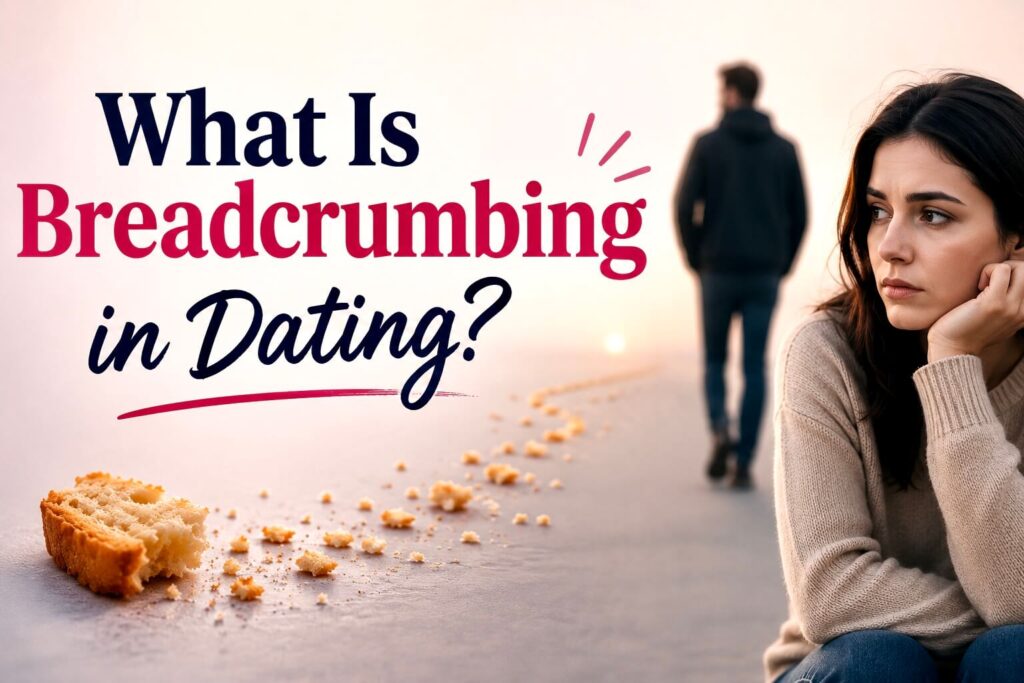
Breadcrumbing in dating is a manipulation pattern where someone gives you just enough attention, affection, or communication to keep you interested without ever intending to build a genuine relationship. These “breadcrumbs” may include occasional texts, random compliments, flirting on social media, or promises about meeting someday—but they rarely turn into consistent effort.
Think of it like someone keeping a door slightly open without ever inviting you inside. They enjoy knowing you’re available, but they avoid making a real commitment. This creates emotional uncertainty because every small interaction makes you believe the relationship is progressing, even when nothing meaningful changes.
Unlike healthy relationships, where communication is consistent and intentions are clear, breadcrumbing thrives on mixed signals. One day they act deeply interested; the next day they disappear without explanation. This inconsistency keeps you emotionally attached because your brain starts chasing the occasional moments of affection, hoping they’ll become permanent.
Simply put, breadcrumbing is less about love and more about keeping someone’s attention without offering genuine emotional investment.
The Psychology Behind Breadcrumbing
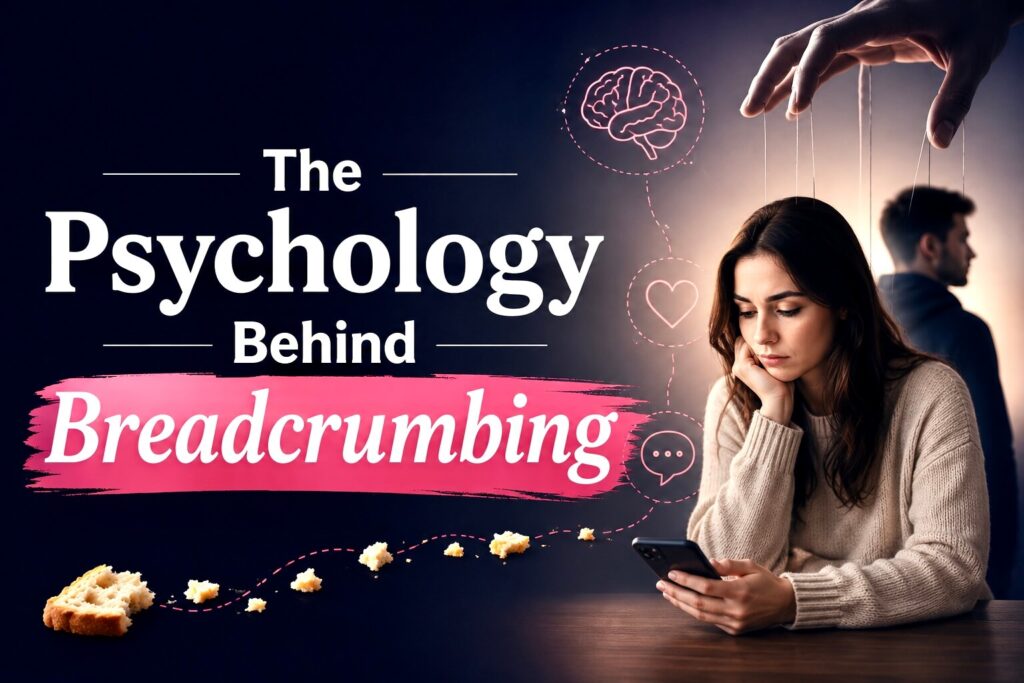
Why does breadcrumbing feel so addictive?
The answer lies in psychology. Human brains respond strongly to unpredictable rewards. When affection comes randomly instead of consistently, your brain releases dopamine—the same chemical involved in excitement and anticipation. Instead of feeling secure, you become focused on earning the next message, compliment, or phone call.
For the person doing the breadcrumbing, the motivation can be very different. Some enjoy attention and validation. Others fear commitment, want multiple romantic options, or simply like knowing someone is emotionally available whenever they feel lonely. In many cases, breadcrumbing isn’t about building intimacy—it’s about maintaining control over someone else’s emotional availability.
This imbalance creates an unhealthy dynamic. One person becomes increasingly emotionally invested, while the other gives the minimum effort needed to keep the connection alive. Over time, the relationship becomes fueled by uncertainty rather than trust.
Recognizing this psychological pattern is important because it reminds you that the problem isn’t your worth—it’s the unhealthy communication cycle that’s keeping you emotionally stuck.
13 Signs of Breadcrumbing in Dating
Recognizing the signs of breadcrumbing in dating can save you from months—or even years—of emotional confusion. While occasional mixed signals happen in many relationships, consistent patterns of inconsistency often reveal someone’s true intentions. Here are the 13 biggest signs that someone may be leading you on instead of building a genuine, committed relationship with you.
1. They Only Text When It’s Convenient
One of the biggest signs of breadcrumbing is inconsistent communication. They disappear for days or even weeks, then suddenly send a casual message as though nothing happened. Instead of explaining their absence, they expect the conversation to continue naturally.
This pattern keeps you emotionally hooked because every unexpected text feels exciting after a long silence. Unfortunately, consistency never improves. They reach out only when they’re bored, lonely, or looking for attention—not because they’re genuinely trying to build a relationship.
Healthy relationships don’t depend on random bursts of communication. They grow through regular effort, mutual curiosity, and respect for each other’s feelings. If someone only contacts you when it’s convenient for them, they’re likely maintaining your interest rather than building genuine intimacy.
2. Their Words Never Match Their Actions
Breadcrumbers often say all the right things. They tell you they miss you, promise to plan a date, or talk about a future together. Yet somehow those promises never become reality.
Their messages create hope, but their actions create disappointment. Every excuse sounds reasonable at first, making it easy to forgive them repeatedly.
Over time, you realize you’re holding onto potential instead of reality. Genuine interest isn’t measured by beautiful words—it’s measured by consistent action. When someone’s behavior repeatedly contradicts what they say, believe their actions, not their promises.
3. They Flirt Constantly but Avoid Commitment
They enjoy playful conversations, romantic compliments, and emotional chemistry. However, whenever the relationship starts becoming serious, they suddenly change the subject or disappear.
You may hear phrases like, “Let’s just see where things go,” or “I’m not ready for labels right now.” While taking things slowly is healthy, endlessly avoiding commitment despite emotional intimacy often signals breadcrumbing.
Real relationships naturally move forward. If months pass without clarity, they’re likely keeping their options open while keeping you emotionally invested.
4. They Disappear and Return Repeatedly
Just when you begin moving on, they suddenly reappear with a friendly message or apology. This pattern creates emotional confusion because every return feels like a second chance.
Unfortunately, nothing actually changes. After reconnecting, they repeat the same cycle of inconsistency before disappearing again.
This emotional push-and-pull strengthens attachment because you’re constantly hoping things will finally improve. In reality, the cycle itself becomes the relationship.
5. They Avoid Making Real Plans
They frequently say things like “We should meet soon,” yet never choose a specific date or time.
Whenever you suggest meeting, they seem enthusiastic—but something always comes up. Plans remain vague, postponed, or canceled at the last minute.
People who genuinely want to see you usually make time. Breadcrumbers often enjoy the fantasy of future plans more than actually spending meaningful time together.
6. They Give You Mixed Signals
Some days they behave like your partner. Other days they act like strangers.
One moment they’re sending affectionate messages, and the next they’re emotionally distant. This inconsistency leaves you constantly questioning where you stand.
Healthy relationships create emotional security. Breadcrumbing creates emotional confusion because uncertainty keeps people attached longer than clarity often does.
7. They Mostly Interact Through Social Media

Instead of building a real relationship, they keep reacting to your stories, liking your photos, or leaving flirty comments.
These small online interactions create the illusion of closeness while requiring almost no emotional effort.
Real intimacy happens through meaningful conversations and shared experiences—not occasional emojis and likes.
8. They Keep You as an Option
They never fully commit, yet they don’t want to lose you either.
Whenever you seem ready to move on, they suddenly become more attentive. Once they feel secure that you’re staying, the attention fades again.
This behavior often means they’re keeping you available while exploring other romantic possibilities.
9. They Rarely Share Their Real Feelings
Conversations stay fun and flirtatious but never become emotionally deep.
Whenever you ask meaningful questions about the relationship or their feelings, they avoid answering directly or change the topic.
Emotional intimacy requires vulnerability. Breadcrumbers often avoid it because genuine openness creates expectations they don’t want to meet.
10. You Feel Constantly Confused
Healthy relationships bring peace.
Breadcrumbing creates endless questions.
You spend hours wondering why they haven’t replied, whether they still like you, or what their last message really meant.
If you’re always analyzing their behavior instead of enjoying the relationship, confusion itself may be the biggest warning sign.
11. They Love Your Attention More Than Your Presence
They appreciate compliments, emotional support, and validation from you.
However, when you need the same level of support in return, they’re suddenly unavailable.
The relationship becomes one-sided, where your emotional energy flows toward them far more than theirs flows toward you.
12. They Avoid Defining the Relationship
Months may pass without knowing exactly what you are.
Whenever you bring up exclusivity or commitment, they say they’re “not ready” or don’t like labels.
While every relationship moves at its own pace, avoiding clarity indefinitely often indicates a desire to keep things casual without losing your attention.
13. You Feel Emotionally Drained Instead of Happy
Perhaps the strongest sign is how the relationship makes you feel.
Instead of feeling secure, appreciated, and valued, you feel anxious, exhausted, and emotionally dependent on unpredictable moments of attention.
Love should bring more peace than confusion. If someone consistently leaves you feeling emotionally depleted, it’s worth asking whether you’re receiving genuine love—or just breadcrumbs.
Why Do People Breadcrumb? (Psychology)

People breadcrumb for many different psychological reasons, and not all of them are intentionally malicious. Some individuals crave constant validation because attention boosts their self-esteem. Others fear commitment and enjoy the excitement of romantic connection without the responsibility of a serious relationship. Some keep multiple dating options available because they’re afraid of missing out on someone “better.”
In certain cases, emotionally unavailable people breadcrumb because they enjoy intimacy only when it feels safe and convenient. Once real vulnerability or commitment is required, they instinctively pull away.
Regardless of the reason, the outcome is usually the same: one person remains emotionally invested while the other controls the pace of the relationship. Understanding these motivations doesn’t excuse the behavior, but it helps explain why breadcrumbing often follows the same frustrating pattern.
Emotional Effects of Breadcrumbing
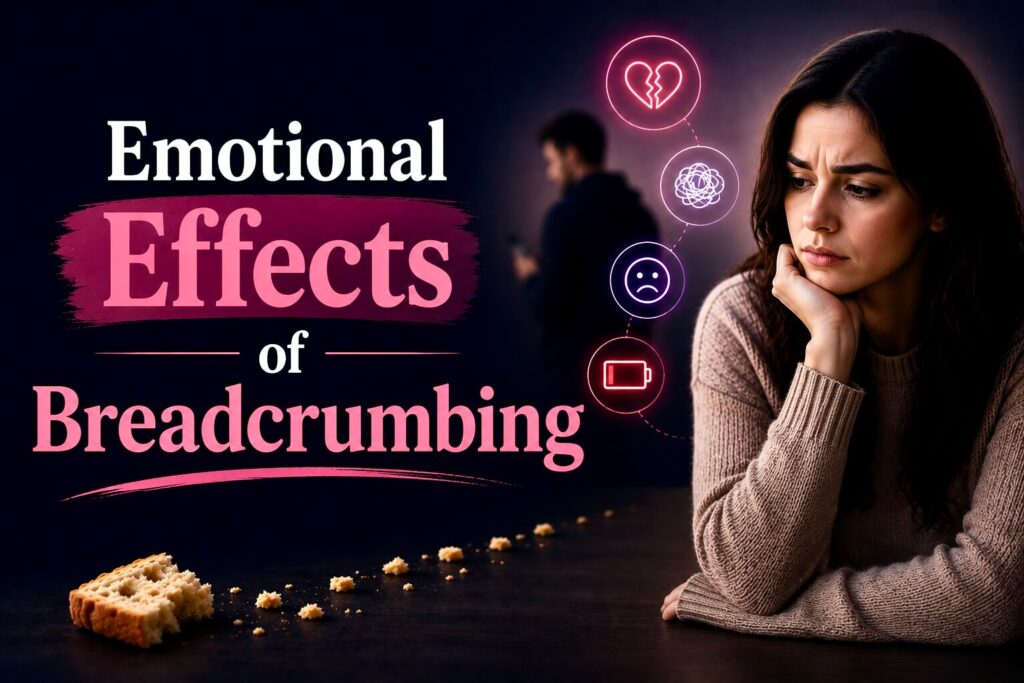
Breadcrumbing can slowly damage your emotional health in ways you may not notice at first. The constant uncertainty often increases anxiety, lowers self-confidence, and makes you question your own worth. You may begin blaming yourself for someone else’s inconsistent behavior, wondering if you said or did something wrong.
Over time, the cycle of hope and disappointment can become emotionally exhausting. Instead of feeling excited about the relationship, you become focused on waiting for the next text, the next compliment, or the next sign that they still care.
This emotional dependency can make it difficult to leave, even when you know the relationship isn’t healthy. Recognizing these emotional effects is the first step toward breaking the cycle and choosing relationships built on mutual respect, consistency, and genuine commitment.
What Should You Do If Someone Is Breadcrumbing You?

The first step is accepting the reality of their behavior instead of focusing on their potential. Pay attention to patterns, not promises. If weeks or months pass without meaningful progress, stop making excuses on their behalf.
Communicate your expectations clearly. Ask where the relationship is going and listen carefully to both their words and actions. If they continue avoiding commitment or giving mixed signals, believe the pattern rather than hoping it will suddenly change.
Most importantly, stop rewarding inconsistent effort. Don’t pause your own life waiting for someone who only reaches out when it’s convenient. Invest your time in people who communicate consistently, respect your emotions, and make you feel emotionally secure. Healthy love doesn’t require chasing—it grows through mutual effort.
Mistakes to Avoid

Many people stay trapped in breadcrumbing because they keep making the same emotional mistakes. One common mistake is confusing occasional attention with genuine interest. A random late-night text doesn’t erase weeks of silence.
Another mistake is believing that patience alone will change someone’s commitment level. While relationships naturally develop over time, consistent avoidance is different from moving slowly.
Avoid overanalyzing every message, making excuses for repeated inconsistency, or sacrificing your own emotional needs just to keep someone interested. Most importantly, don’t ignore your intuition. If you constantly feel confused, anxious, or emotionally drained, those feelings deserve your attention.
Healthy relationships provide clarity, not constant uncertainty. The moment you stop accepting breadcrumbs, you create space for someone willing to offer you the whole loaf.
Mistakes to Avoid When You’re Being Breadcrumbed
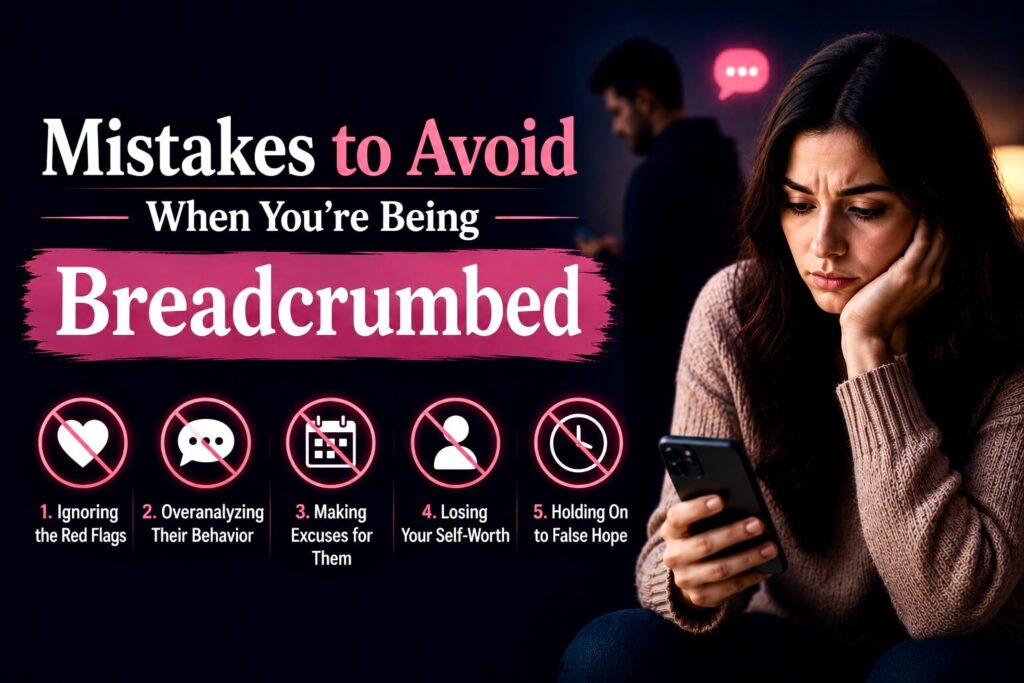
Even when you recognize breadcrumbing, it’s easy to fall into habits that keep the cycle going. Here are the biggest mistakes to avoid if you want to protect your emotional well-being and build healthier relationships.
1. Ignoring Red Flags
Many people dismiss inconsistent communication because they hope things will improve over time. While everyone gets busy occasionally, repeated disappearances, broken promises, and mixed signals shouldn’t be ignored. The earlier you recognize these patterns, the easier it is to avoid becoming emotionally invested.
2. Believing Words Instead of Actions
A breadcrumber often says exactly what you want to hear. They may promise dates, future plans, or even a serious relationship someday. But if those promises never become reality, focus on what they’re doing—not what they’re saying. Consistent actions always reveal genuine intentions.
3. Waiting for Them to Change
One of the biggest emotional traps is believing that your patience, love, or understanding will eventually convince them to commit. Healthy relationships aren’t built by waiting for someone to become emotionally available. They grow when both people choose each other consistently from the beginning.
4. Making Excuses for Their Behavior
“It’s just work.”
“They’re afraid of getting hurt.”
“They’ve had bad relationships before.”
While these explanations may sometimes be true, they don’t justify repeated emotional inconsistency. Understanding someone’s struggles doesn’t mean accepting behavior that continuously hurts you.
5. Making Them Your Emotional Priority
Breadcrumbing often causes people to stop focusing on themselves. They spend hours checking their phone, analyzing messages, and waiting for replies. Meanwhile, hobbies, friendships, personal goals, and self-care slowly disappear.
Remember this: the more your happiness depends on one unpredictable person, the more control they have over your emotions.
6. Ignoring Your Intuition
Deep down, most people sense when something feels off. If you’re constantly anxious, confused, or emotionally exhausted, don’t silence those feelings. Your intuition often notices unhealthy patterns before your mind is willing to accept them.
7. Settling for Less Than You Deserve
The biggest mistake of all is believing inconsistent love is the best you can get.
Healthy relationships aren’t confusing. They don’t leave you questioning your value every day. You deserve someone who communicates openly, follows through on promises, and chooses you without making you chase their attention.
Final Thoughts

Breadcrumbing in dating can be incredibly painful because it gives you just enough hope to stay emotionally invested without ever providing the security of a real relationship. The constant cycle of attention, silence, and mixed signals can make you question your worth, even though the problem isn’t you—it’s the unhealthy dynamic you’ve been pulled into.
The good news is that once you recognize the signs, you no longer have to stay trapped in the cycle. Pay attention to consistent actions rather than occasional affection. Set healthy boundaries, communicate your expectations clearly, and never be afraid to walk away from someone who only gives you the bare minimum.
Remember, the right person won’t make you wonder where you stand. They’ll make their intentions clear through consistent communication, genuine effort, and emotional honesty.
Want to Build a Stronger Emotional Connection Instead?
If you’ve realized you’re tired of chasing emotionally unavailable people and want to understand what actually creates lasting attraction, there’s a relationship guide that many readers have found helpful. Check out :-
The guide explores the psychology of emotional connection, commitment, and how healthy attraction develops—without manipulation or playing games. If you’re looking for practical relationship insights rather than guesswork, it’s worth exploring.
You deserve a relationship where you’re valued, respected, and chosen consistently—not one where you’re left surviving on breadcrumbs.
Frequently Asked Questions
You might also find these guides helpful
- Why Do Average Girls Make Everyone Obsessed? 13 Psychology
- Why Men Lose Interest in Relationships And How to Prevent It
- 15 Signs He Wants a Serious Relationship With You
- How to Make Him Feel Emotionally Safe Around You
- Signs That He Is in Love With You: 15 Psychology-Backed Signs
- How to Make Him Miss You Like Crazy: 15 Psychology Tips
Pingback: Signs That He Is in Love With You: 15 Psychology-Backed Sign
Pingback: How to Know If a Man Is Serious About You: Undeniable Signs