Have you ever stared at your phone wondering why your partner hasn’t replied yet? Do you overthink a simple “Okay,” worry when they seem quieter than usual, or constantly ask yourself whether they still love you? If so, you may be dealing with relationship anxiety.
Relationship anxiety is more than occasional worry. It creates a cycle of fear, self-doubt, and overthinking that makes even a healthy relationship feel uncertain. Instead of enjoying the present, your mind jumps to worst-case scenarios, making you question your partner’s feelings, intentions, and the future of your relationship.
The truth is that relationship anxiety isn’t always caused by your partner. In many cases, it develops because of past heartbreak, childhood experiences, fear of abandonment, low self-esteem, or an anxious attachment style. These emotional wounds teach your brain to expect rejection, even when there’s no real danger.
The good news is that relationship anxiety can be managed. Once you recognize the signs and understand the psychology behind your thoughts, you can break free from constant overthinking and build a healthier, more secure relationship.
In this guide, you’ll discover 15 common signs of relationship anxiety, the hidden causes, practical ways to stop overthinking, and how to create stronger emotional security with your partner.
What Is Relationship Anxiety?
Relationship anxiety is the constant fear that something is wrong in your relationship, even when there is little or no evidence. People with relationship anxiety often worry about being rejected, abandoned, or not being good enough for their partner.
Unlike normal relationship concerns, these fears don’t disappear easily. Instead, they create endless overthinking, reassurance-seeking, and emotional stress. While everyone experiences doubts occasionally, relationship anxiety makes those doubts feel overwhelming.
Fortunately, once you understand what’s causing these thoughts, you can learn healthier ways to trust both yourself and your relationship.
Why Do People Experience Relationship Anxiety?
Relationship anxiety usually develops from emotional experiences rather than current relationship problems. Past heartbreak, betrayal, childhood emotional neglect, fear of abandonment, insecure attachment, and low self-esteem can all make someone expect rejection.
Social media comparisons and unrealistic expectations about “perfect relationships” also make anxiety worse. Instead of enjoying the present, your mind constantly prepares for future pain.
Recognizing these emotional patterns is the first step toward overcoming them.
15 Signs of Relationship Anxiety
Everyone experiences relationship worries from time to time, but persistent anxiety can quietly damage even the healthiest relationship. Recognizing these warning signs early can help you understand whether your fears are based on reality or driven by overthinking. Here are the 15 most common signs of relationship anxiety you should never ignore.
1. You Constantly Need Reassurance
People with relationship anxiety often need repeated reassurance that everything is okay. Even after hearing “I love you” or “We’re fine,” the comfort only lasts a short time before new doubts appear.
You may frequently ask if your partner is upset, whether they still love you, or if the relationship is changing. While reassurance feels comforting for a moment, it doesn’t solve the underlying anxiety.
Healthy relationships grow through trust, not constant proof. Learning to believe your partner’s consistent actions instead of seeking endless reassurance helps build lasting emotional security.
2. You Overthink Every Text Message
A delayed reply, a short message, or a missing emoji can suddenly feel like a relationship crisis. Instead of assuming your partner is simply busy, your mind immediately starts imagining negative possibilities.
You reread conversations, analyze every word, and search for hidden meanings that probably don’t exist. In reality, most delayed replies happen because people are working, driving, spending time with family, or simply away from their phone.
Healthy communication depends on trust, not decoding every message. Taking a step back before reacting helps prevent unnecessary stress and misunderstandings.
3. You Fear Your Partner Will Leave You
One of the strongest signs of relationship anxiety is constantly worrying that your partner will eventually leave, even when they’ve given you no reason to believe it.
Small disagreements, busy schedules, or personal space may feel like warning signs that the relationship is ending. This fear often comes from previous heartbreak or abandonment rather than your current relationship.
Unfortunately, constantly expecting rejection can lead to clinginess, insecurity, and emotional dependence. Recognizing that your fears aren’t always facts helps you build healthier trust.
4. You Compare Your Relationship to Others
Do you often compare your relationship with couples on Instagram or your friends’ relationships?
Relationship anxiety makes these comparisons feel meaningful. You may wonder why your partner doesn’t post about you as often, plan grand romantic surprises, or communicate exactly like other couples.
The reality is that social media rarely shows arguments, struggles, or ordinary life. Every relationship has its own way of expressing love.
Instead of comparing, focus on whether your relationship feels respectful, supportive, and emotionally safe.
5. You Need Constant Validation
Compliments, affection, and reassurance are important in every relationship. However, relationship anxiety makes validation feel necessary for emotional survival.
When your partner is busy or less expressive than usual, you immediately begin doubting yourself. You may believe something is wrong simply because you haven’t received enough attention that day.
Real confidence comes from knowing your worth without depending completely on another person’s approval. Building self-esteem helps reduce anxiety and creates healthier emotional balance.
6. Small Problems Feel Like Major Threats
Every couple experiences misunderstandings and disagreements. However, relationship anxiety magnifies small issues into major relationship threats.
A forgotten phone call, canceled date, or quiet evening may convince you that your relationship is falling apart. Instead of seeing temporary situations, your mind immediately imagines the worst.
This thinking pattern is called catastrophizing. Learning to separate facts from anxious assumptions helps you respond calmly instead of emotionally.
7. You Get Jealous Easily
Relationship anxiety often increases jealousy, even when there’s no real reason to feel threatened. A casual conversation, social media interaction, or friendly coworker can trigger insecurity.
Rather than trusting your partner, anxiety convinces you that someone else might replace you.
Healthy trust develops when you judge your partner by their consistent actions instead of your fearful imagination.
8. You Constantly Worry About the Future
Instead of enjoying today’s happiness, relationship anxiety keeps your attention focused on tomorrow’s problems.
You constantly ask yourself:
- What if they stop loving me?
- What if we break up?
- What if I’m wasting my time?
Thinking about the future is normal, but living there steals the joy from your present relationship.
People with relationship anxiety sometimes test their partner without realizing it. You may stop texting first, act distant, or ignore messages just to see if they’ll chase you. Deep down, you’re hoping their reaction will prove they truly care.
Unfortunately, these tests rarely strengthen a relationship. Instead, they create confusion, frustration, and unnecessary conflict. Healthy relationships aren’t built on mind games—they’re built on honest communication. If you’re feeling insecure, it’s far healthier to talk openly with your partner than to secretly test their love.
9. You’re Afraid to Be Vulnerable
Relationship anxiety often makes vulnerability feel risky. You may hide your true feelings because you’re afraid your partner will judge you, reject you, or think you’re too emotional.
Instead of expressing your fears, you keep everything inside and expect your partner to somehow understand what’s wrong. Over time, this emotional distance can weaken intimacy.
Real trust grows when both partners feel safe enough to share their thoughts and emotions honestly. Being vulnerable isn’t a weakness—it’s one of the strongest foundations of a healthy relationship.
10. Your Mood Depends on Your Partner
Does your entire day depend on how your partner behaves? A sweet text makes you happy, while a delayed reply ruins your mood.
This emotional dependence is a common sign of relationship anxiety. When your happiness depends entirely on someone else’s actions, every small change feels overwhelming.
Healthy relationships add happiness to your life, but they shouldn’t become your only source of happiness. Maintaining hobbies, friendships, and personal goals helps create emotional balance and reduces anxiety.
11. You Struggle to Enjoy the Present
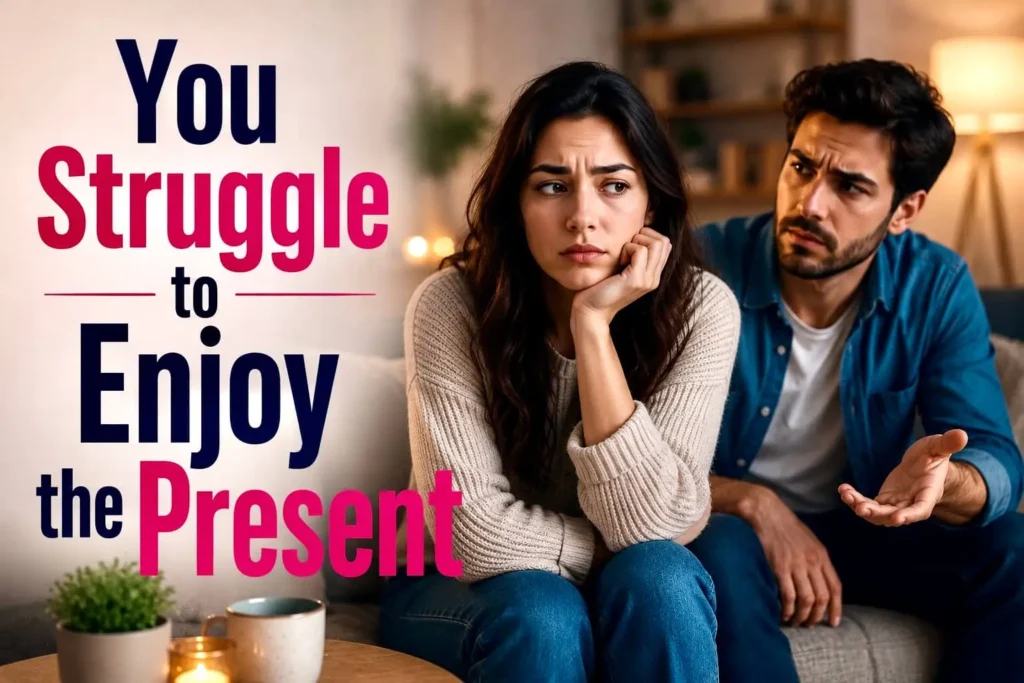
Even when everything is going well, your mind keeps asking, “What if this doesn’t last?” Instead of appreciating happy moments, you’re already worrying about future problems.
Relationship anxiety steals the joy from the present because it constantly prepares you for pain that hasn’t happened.
Learning to stay present, appreciate your partner’s consistent actions, and stop imagining worst-case scenarios can help you experience genuine happiness instead of constant fear.
12. You Always Look for Hidden Problems
People with relationship anxiety often feel like detectives. You analyze your partner’s tone, body language, social media activity, and daily routine, searching for signs that something is wrong.
The problem is that anxiety makes you notice every tiny negative detail while ignoring all the positive evidence that your relationship is healthy.
Instead of looking for hidden problems, focus on long-term patterns. Trust is built by consistent actions—not by analyzing every small moment.
13. You Find It Difficult to Trust
Even if your partner has never lied or betrayed you, trusting them completely may still feel impossible.
Relationship anxiety convinces you that something bad will eventually happen. As a result, you may question their intentions, seek reassurance, or expect disappointment before there’s any real reason to.
Trust always involves uncertainty, but it’s also what allows love to grow. Learning to believe your partner’s consistent behavior instead of anxious thoughts creates a much stronger relationship.
14. You Feel Emotionally Exhausted
Perhaps the biggest sign of relationship anxiety is feeling mentally and emotionally drained. Constant overthinking, worrying, seeking reassurance, and imagining worst-case scenarios consume an enormous amount of emotional energy.
Instead of enjoying your relationship, you spend most of your time trying to protect yourself from problems that may never happen.
A healthy relationship should make you feel safe, supported, and emotionally connected—not constantly anxious. Recognizing this emotional exhaustion is often the first step toward healing.
15. The Hidden Psychology Behind Relationship Anxiety
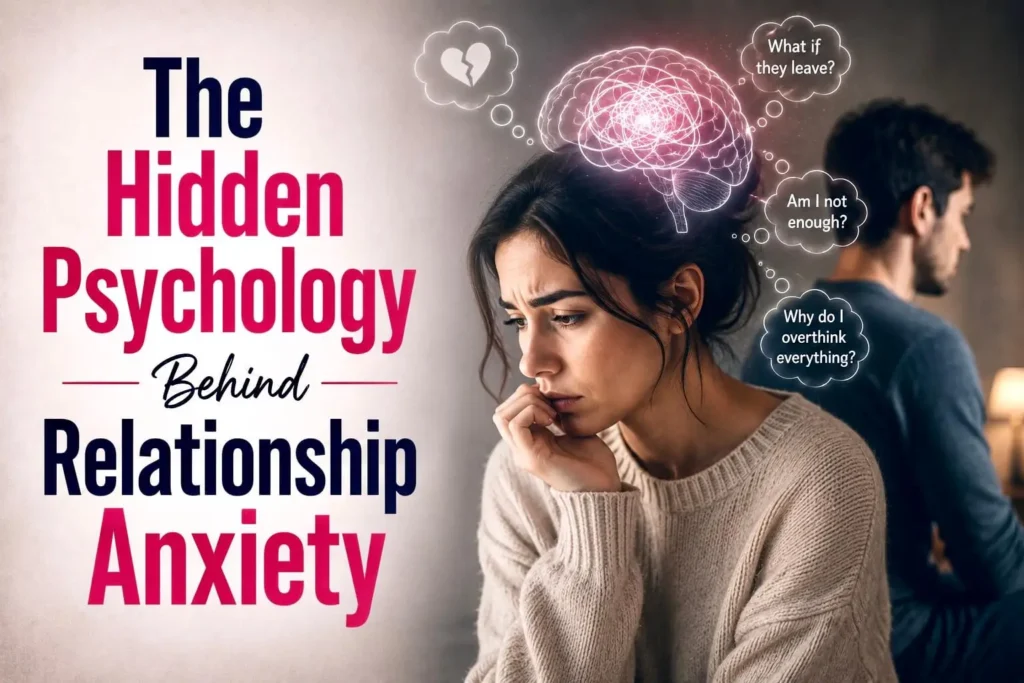
Relationship anxiety isn’t caused by a lack of love—it’s usually caused by a fear of losing it. When someone has experienced betrayal, abandonment, emotional neglect, or painful heartbreak, the brain learns to expect rejection. As soon as a relationship becomes emotionally important, those old fears become active again.
That’s why a delayed text, a minor disagreement, or a busy day can feel much bigger than it actually is. Your brain is trying to protect you from future pain, but in doing so, it creates unnecessary fear.
Understanding this psychology helps you realize that anxious thoughts aren’t always facts. The more you focus on your partner’s consistent actions instead of fearful assumptions, the more emotionally secure your relationship becomes.
What Causes Relationship Anxiety?
Relationship anxiety can develop for many different reasons. Some of the most common causes include:
- Past heartbreak or betrayal
- Childhood emotional neglect
- Fear of abandonment
- Low self-esteem
- Anxious attachment style
- Unrealistic relationship expectations
- Constant comparison on social media
- Poor communication in previous relationships
Knowing the root cause doesn’t instantly remove anxiety, but it helps you understand that your fears often come from past experiences rather than your current relationship.
How to Stop Overthinking in a Relationship
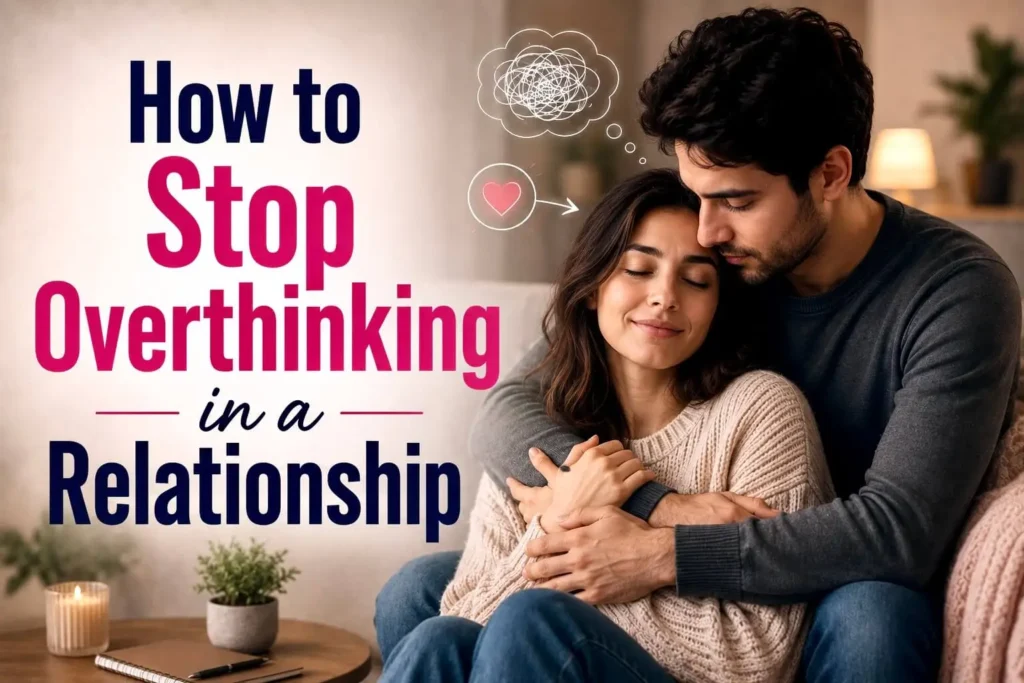
1. Challenge Your Thoughts
Ask yourself whether your fear is based on facts or assumptions before reacting emotionally.
2. Communicate Honestly
Instead of expecting your partner to read your mind, calmly explain how you’re feeling.
3. Build Your Self-Confidence
The more confident you become in yourself, the less you’ll depend on constant reassurance.
4. Focus on Actions
Judge your relationship by your partner’s consistent behavior—not by isolated moments or delayed text messages.
5. Live in the Present
Stop worrying about problems that haven’t happened yet. Enjoy today’s relationship instead of fearing tomorrow.
Mistakes to Avoid
Many people accidentally make their relationship anxiety worse by repeating unhealthy habits. Avoid these common mistakes:
- Constantly checking your partner’s phone or social media
- Asking for reassurance every day
- Comparing your relationship with others
- Testing your partner’s love
- Keeping your emotions bottled up
- Jumping to conclusions without evidence
Replacing these habits with trust, communication, and emotional awareness creates a much healthier relationship.
Final Thoughts

Relationship anxiety can make even the happiest relationship feel uncertain, but it doesn’t have to control your life forever. Once you understand where your fears come from, you can begin replacing overthinking with trust, open communication, and emotional confidence.
Remember, a healthy relationship isn’t built on constant reassurance—it’s built on honesty, consistency, respect, and emotional security. While your partner can support you, lasting confidence ultimately comes from within.
If you’re looking to better understand male psychology, emotional commitment, and what inspires a man to invest deeply in a relationship, don’t forget to check out our recommended relationship guide, His Secret Obsession. It explains the hidden emotional triggers that influence long-term commitment and has helped many readers build stronger, healthier relationships.
You deserve a relationship where love feels peaceful—not something you have to constantly question.
Frequently Asked Questions
Popular Relationship Psychology Guides
- How to Know If Someone Loves You But Is Scared
- Why Do Average Girls Make Everyone Obsessed? 13 Psychology
- Why Men Lose Interest in Relationships And How to Prevent It
- 15 Signs He Wants a Serious Relationship With You
- How to Make Him Feel Emotionally Safe Around You
- How to Build Emotional Intimacy With a Man: 15 Simple Ways