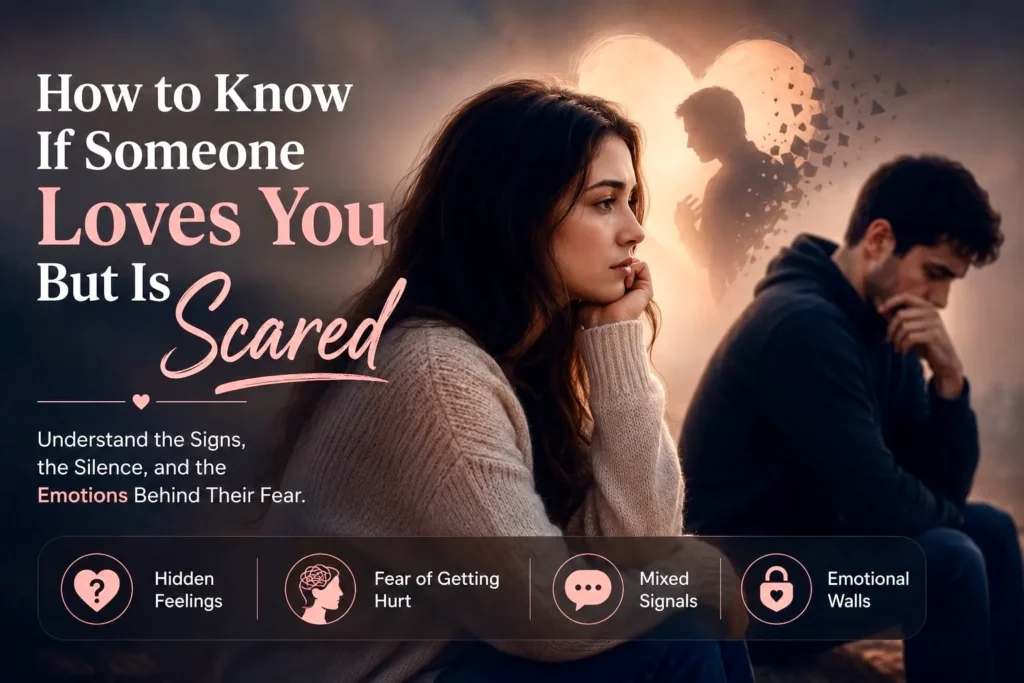
Have you ever felt that someone genuinely cares about you but never admits it? They stay close, remember little details about your life, and act differently around you—yet they never say, “I love you.” If this sounds familiar, you might be wondering how to know if someone loves you but is scared to express their feelings.
The truth is, love and fear often exist together. A person may deeply care about you but hold back because they’re afraid of rejection, emotional vulnerability, past heartbreak, or even the possibility of losing you. Psychology suggests that when emotions become overwhelming, some people protect themselves by hiding their true feelings instead of expressing them openly.
Instead of confessing their emotions, they may communicate through subtle behaviors. They might check on you frequently, become nervous around you, show jealousy without admitting it, or find excuses to spend time with you. These hidden signs can reveal much more than words ever could.
However, it’s important to remember that no single behavior proves someone is in love. People have different personalities, attachment styles, and ways of expressing affection. The key is to notice consistent patterns rather than isolated moments.
In this guide, you’ll discover 17 psychology-backed signs that can help you understand whether someone secretly loves you but is too scared to say it. You’ll also learn why fear can stop someone from confessing their feelings and how you should respond without damaging the connection.
Let’s explore the hidden psychology behind love, fear, and emotional attraction.
1. They Find Excuses to Talk to You
One of the strongest signs someone secretly loves you but is scared is that they constantly look for reasons to start conversations. The topics may seem random—a funny meme, a simple “How was your day?” message, or asking for advice they probably don’t need. The real reason isn’t the conversation itself; it’s the opportunity to stay connected with you.
Psychologists call this the proximity effect, where people naturally seek closeness with those they feel emotionally attached to. If someone repeatedly finds excuses to text, call, or meet you despite having no practical reason, they’re often trying to maintain an emotional bond.
Notice whether they continue the conversation even after the original topic is over. If they keep asking follow-up questions, remember small details you’ve shared, and genuinely enjoy talking to you, it often signals deeper feelings they’re hesitant to reveal.
2. Their Eyes Reveal More Than Their Words
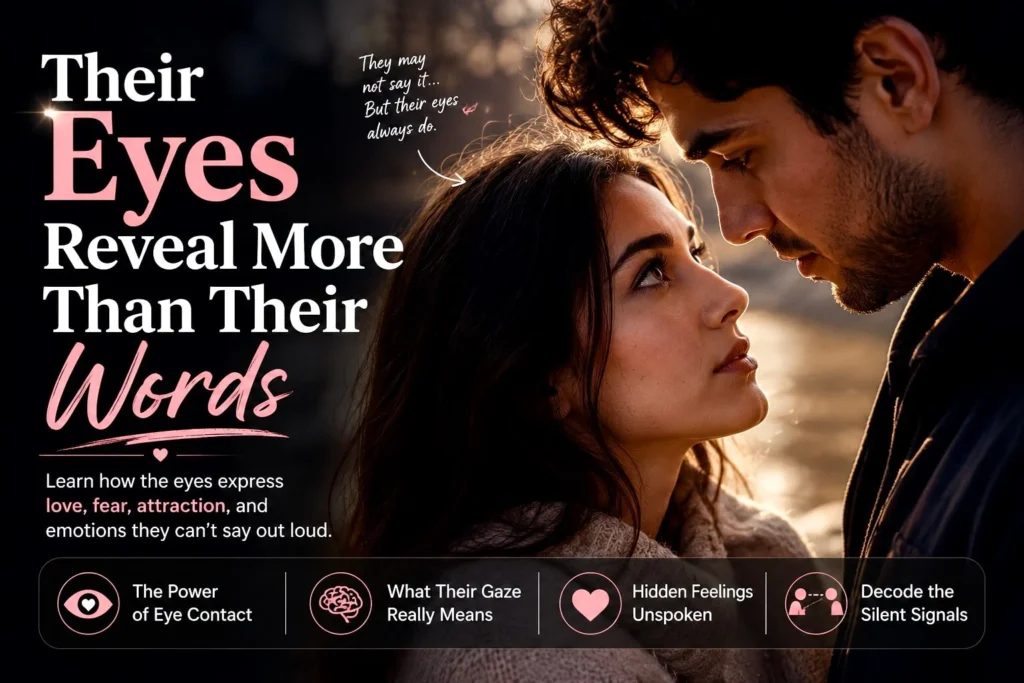
Body language often exposes emotions that people try to hide. Someone who loves you but is scared may struggle to confess their feelings, but their eyes frequently tell the real story.
You may notice them looking at you when they think you’re not paying attention. When you suddenly make eye contact, they quickly look away or smile nervously. During conversations, they maintain longer eye contact than usual because they’re emotionally invested in every moment.
Research in social psychology suggests that prolonged eye contact increases emotional intimacy and connection. If someone lights up when they see you, their pupils appear larger, or their facial expressions soften around you, these are subtle but meaningful signs of hidden attraction.
Words can be controlled, but genuine emotions often appear through facial expressions and eye contact.
3. They Remember the Smallest Details
Have you ever mentioned your favorite coffee months ago, only for someone to remember it perfectly later? People rarely remember tiny details unless the person matters to them emotionally.
Someone who secretly loves you tends to store information about your likes, dislikes, goals, birthdays, favorite songs, and even casual conversations. They may surprise you by remembering something you forgot you even mentioned.
This happens because emotional attachment improves memory. The brain naturally pays closer attention to people we deeply care about.
If they frequently bring up things you’ve shared in the past, ask about your family, or remember important events in your life, it’s often more than simple politeness. They’re emotionally invested and paying attention because you genuinely matter to them.
4. They Get Nervous Around You
Confidence sometimes disappears when real feelings are involved.
A person who secretly loves you but fears rejection may suddenly become awkward whenever you’re around. They might speak faster, stumble over their words, blush, laugh at inappropriate moments, or seem unusually quiet.
Ironically, the stronger their feelings become, the more difficult it can be for them to act naturally.
This nervous behavior often results from emotional vulnerability. They care about making a good impression and fear saying or doing something that could ruin the connection.
If someone behaves comfortably with everyone else but becomes noticeably anxious around you, psychology suggests their emotions may be much stronger than they’re willing to admit.
5. They Always Check If You’re Okay
People who secretly love someone often become emotionally protective.
They notice when you’re stressed, ask if you’ve reached home safely, remember important meetings, and check on you when you’re feeling down. Sometimes they’ll message simply to ask how your day went because your happiness genuinely matters to them.
This behavior reflects emotional investment rather than casual friendship.
When someone consistently supports you without expecting anything in return, they’re showing care through actions instead of words.
Love isn’t always expressed through grand romantic gestures. Sometimes it’s found in the quiet consistency of someone who always makes sure you’re okay, even when nobody else notices.
6. They Seem Jealous but Try to Hide It
Jealousy doesn’t always look dramatic.
Someone who secretly loves you may become unusually quiet when you talk about another person. They might casually ask questions about your dating life or change the subject entirely. Some even joke about your relationships while secretly hoping you’re single.
Healthy jealousy usually comes from fear of losing someone emotionally important.
Of course, jealousy alone doesn’t prove love. However, when it’s combined with caring behavior, consistent attention, and emotional support, it often becomes another piece of the puzzle.
The important difference is that genuine affection respects your choices rather than trying to control them.
7. They Support Your Dreams Without Being Asked
Real love celebrates your success instead of competing with it.
Someone who secretly loves you often becomes one of your biggest supporters. They encourage your goals, celebrate your achievements, motivate you during difficult times, and genuinely want to see you succeed.
Even if your success doesn’t benefit them personally, they’ll still feel proud of your accomplishments.
Psychology shows that people naturally invest in the long-term happiness of those they deeply care about.
If someone consistently believes in you, encourages your growth, and remains happy for your victories, their feelings may be much deeper than simple admiration.
8. They Stay Even During Difficult Times
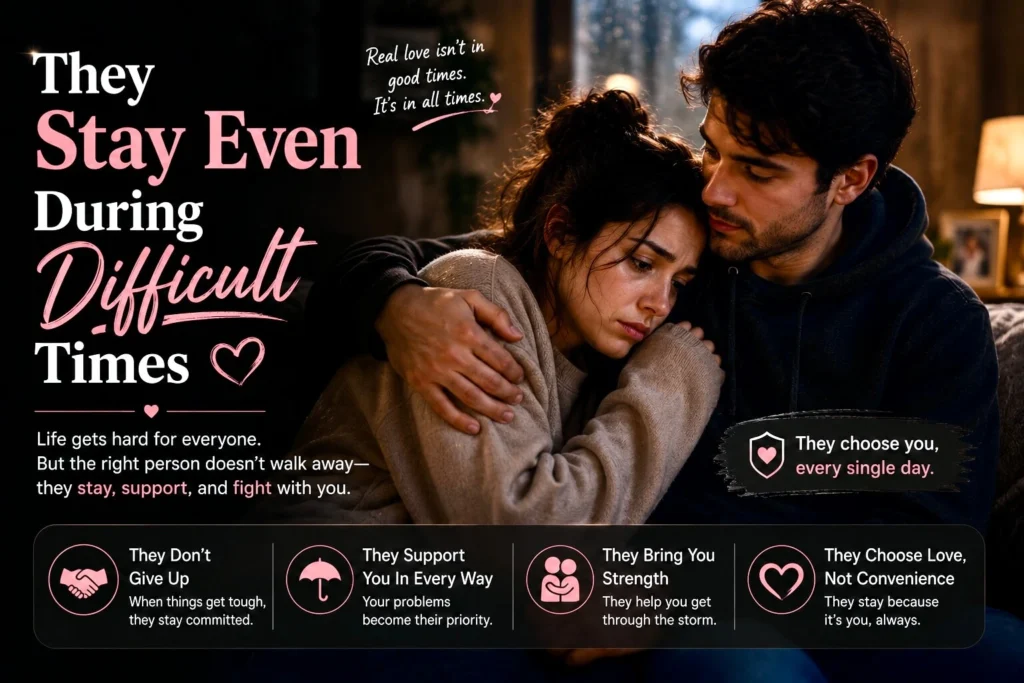
Anyone can be present during happy moments.
The real test of hidden love is whether someone stays when life becomes complicated.
If they continue supporting you through failures, family problems, stress, or emotional struggles without disappearing, it often reflects genuine emotional attachment.
People who are only casually interested usually lose interest when relationships become difficult. Someone who secretly loves you often does the opposite—they become even more supportive because your well-being matters to them.
Consistent presence during life’s hardest moments is one of the strongest indicators of sincere affection.
9. They Mirror Your Behavior Without Realizing It
One fascinating psychology sign that someone loves you but is scared is mirroring. This happens when they unconsciously copy your body language, speech patterns, or even your favorite phrases. If you smile, they smile. If you lean forward while talking, they do the same. You may even notice them adopting your hobbies, music taste, or expressions over time.
According to psychology, people naturally imitate those they feel emotionally connected to because it creates trust and closeness. They usually don’t realize they’re doing it. While mirroring alone doesn’t confirm romantic feelings, combined with the other signs in this guide, it can strongly suggest emotional attraction. When someone begins acting more like you over time, it often means they’re emotionally invested and secretly hoping for a deeper connection.
10. They Make Time for You No Matter How Busy They Are
Everyone says they’re busy, but people make time for what truly matters.
If someone secretly loves you, they’ll consistently find opportunities to spend time with you, even when life gets hectic. They may adjust their schedule, respond quickly to your messages, or happily accept invitations without hesitation. You become a priority rather than an option.
This behavior reflects emotional commitment. Psychology shows that when someone values a relationship, they willingly invest time and energy into maintaining it. Instead of making excuses, they create opportunities to be around you. While occasional busyness is normal, consistent effort is a powerful sign of hidden affection. Love often reveals itself through priorities, not promises.
11. They Become Protective Without Being Controlling
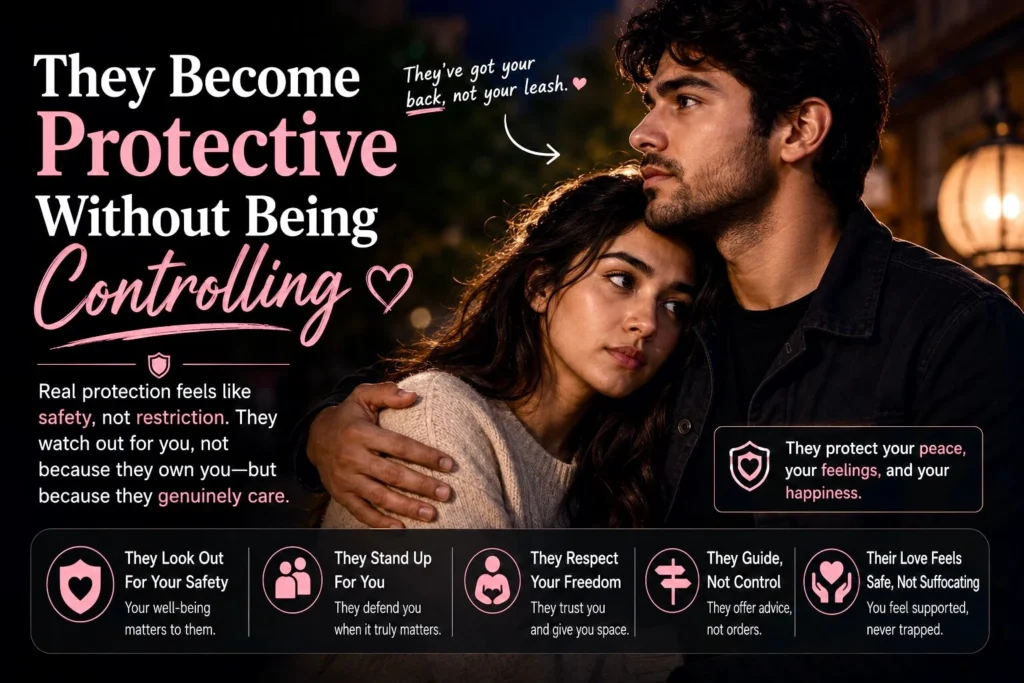
Someone who secretly loves you often wants you to feel safe, but they don’t try to control your life.
They may remind you to drive carefully, ask you to text when you get home, offer help during stressful situations, or stand up for you when others treat you unfairly. Their concern comes from genuine care rather than jealousy or possessiveness.
Healthy love respects independence while offering emotional security. If their protective behavior feels supportive instead of restrictive, it often reflects sincere feelings they’re afraid to express. True affection isn’t about controlling someone—it’s about wanting the best for them, even when nothing is expected in return.
12. They Notice Changes That Others Miss
Have you ever changed your hairstyle, looked tired, or felt unusually quiet, and one person noticed immediately?
People who secretly love you pay attention to details that most others overlook. They recognize when your mood changes, remember important dates, and sense when something is bothering you—even if you haven’t said a word.
Psychology suggests emotional attachment increases observation because the brain naturally focuses on people who matter most. If someone consistently notices small changes in your appearance or emotions, it’s a sign they’re paying close attention. This level of awareness usually comes from genuine emotional interest rather than casual friendship.
13. They Open Up About Their Personal Life
People who fear rejection don’t always confess love directly, but they often reveal it through vulnerability.
If someone begins sharing childhood memories, personal struggles, future dreams, or fears with you, it shows a high level of trust. Emotional openness is difficult for most people, especially those with an avoidant attachment style.
When someone allows you to see their authentic self, they’re inviting emotional intimacy. They may never say “I love you,” but their willingness to be vulnerable often speaks louder than words. Trust is one of the strongest foundations of lasting relationships, and sharing personal experiences is a meaningful step toward deeper emotional connection.
14. They Pull Away Sometimes, Then Come Back
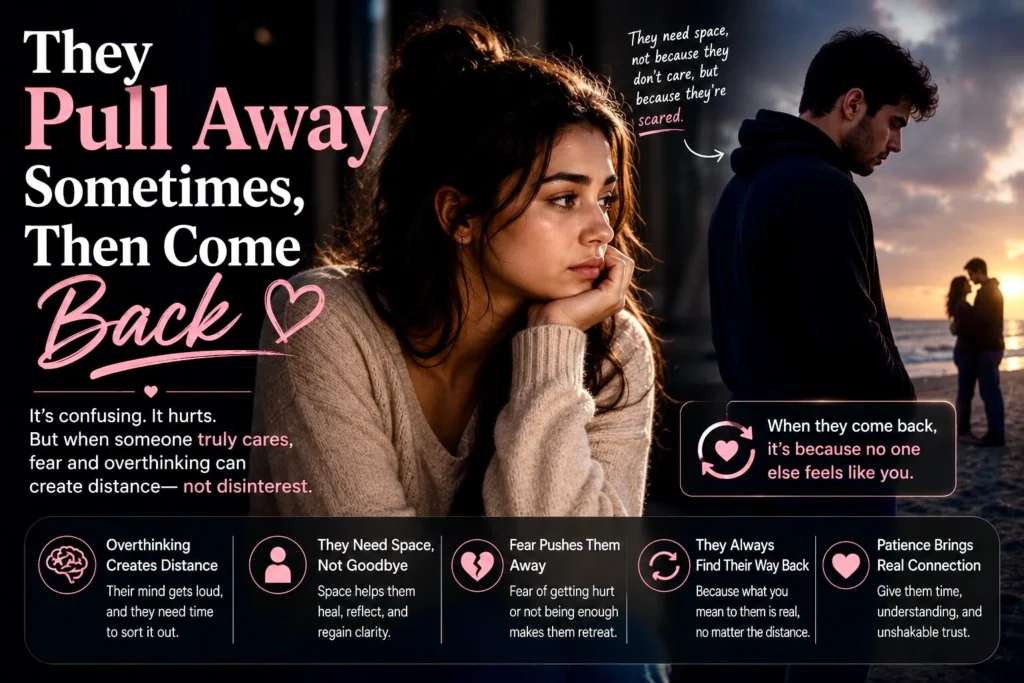
One confusing sign someone loves you but is scared is the push-and-pull pattern.
They may become very close for a while, then suddenly seem distant, only to reconnect again later. This behavior often happens because they want intimacy but become frightened by their own feelings.
This is especially common in people with an avoidant attachment style. They crave connection but fear emotional vulnerability, causing them to retreat when relationships become serious.
If this pattern repeats while they continue showing care, support, and affection, fear—not lack of love—may be influencing their actions. However, healthy communication is still essential because mixed signals can create confusion for both people.
15. They Talk About the Future With You in It
When someone secretly loves you, they often imagine you as part of their future before openly admitting their feelings.
They might mention future vacations, upcoming events, career plans, or life goals and naturally include you in those conversations. It may sound casual, but psychologically, this reflects long-term emotional investment.
People rarely picture someone in their future unless that person holds special meaning in their lives. Whether it’s planning a trip months ahead or simply saying, “We should do that someday,” these comments often reveal hopes they’re not yet ready to express directly.
16. Their Friends Already Know About You
One surprisingly reliable sign is how often their friends seem familiar with you.
If their friends smile knowingly, tease them about you, or already know details about your life, chances are you’ve been discussed privately. People naturally talk about those who occupy their thoughts, especially when romantic feelings are involved.
Even if the person never confesses their emotions, their closest friends may unintentionally reveal the truth through their reactions. While this isn’t absolute proof, it’s another strong clue when combined with consistent affection, attention, and emotional support.
17. Their Actions Consistently Match Their Feelings
The biggest psychology-backed sign is simple: their actions remain consistent over time.
Words can be misleading, but behavior is much harder to fake. Someone who secretly loves you continues showing kindness, respect, emotional support, honesty, and genuine interest even when there’s nothing to gain.
Consistency builds trust because it demonstrates that their care isn’t temporary or based on convenience.
If their actions repeatedly communicate affection, reliability, and emotional investment, there’s a strong possibility they’re hiding feelings they aren’t yet ready to express openly.
Remember, genuine love is shown through repeated actions—not occasional romantic moments.
Why Do People Hide Their Feelings?
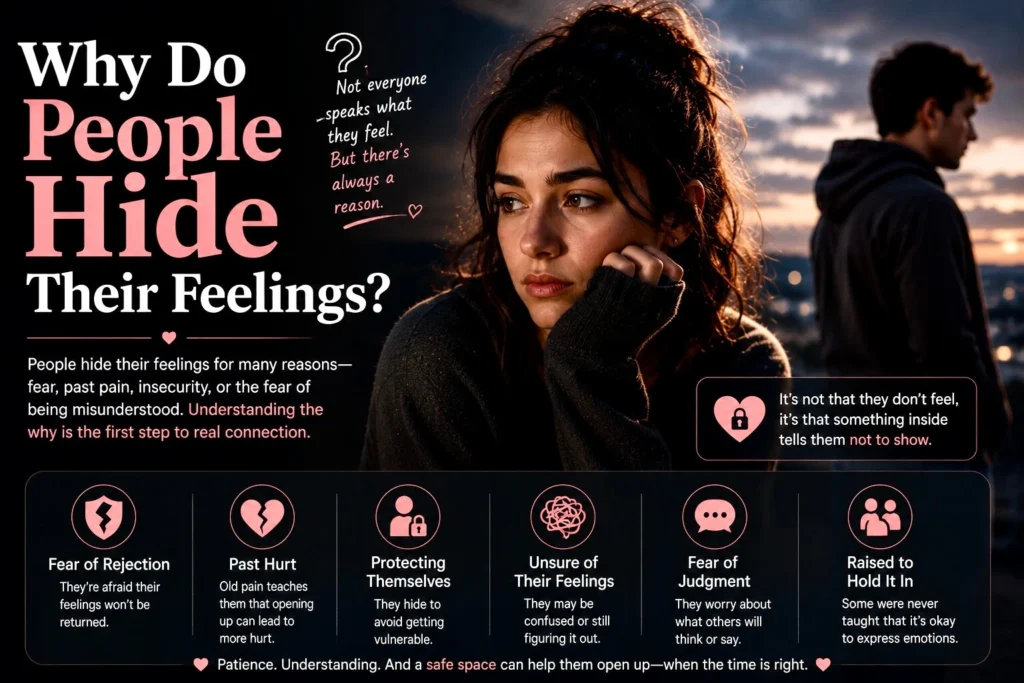
There are many reasons someone may love you but feel afraid to admit it:
- Fear of rejection or embarrassment.
- Past heartbreak or betrayal.
- Low self-confidence.
- An avoidant attachment style.
- Worry about ruining an existing friendship.
- Bad timing due to work, family, or personal struggles.
Understanding these reasons can help you respond with empathy instead of making assumptions. Fear doesn’t always mean someone lacks feelings—it sometimes means the feelings are incredibly important to them.
What Should You Do If Someone Loves You But Is Scared?
If you believe someone has genuine feelings for you, avoid forcing a confession. Instead, create an environment where they feel emotionally safe.
Be patient, communicate honestly, and allow trust to develop naturally. Encourage open conversations without applying pressure. At the same time, pay attention to consistent actions rather than relying on hope alone.
If someone repeatedly sends mixed signals without effort, respect yourself enough to set healthy boundaries. Love should bring clarity over time, not endless uncertainty.
Final Thoughts

Learning how to know if someone loves you but is scared isn’t about decoding every small action—it’s about recognizing consistent patterns of care, trust, emotional investment, and respect. While fear can delay a confession, genuine affection usually becomes visible through everyday behavior.
Instead of chasing uncertainty, focus on building healthy communication and emotional safety. The strongest relationships are created when both people feel secure enough to be honest about their feelings.
If you’re trying to understand a man’s hidden emotions or want to create a deeper emotional connection, His Secret Obsession explains the psychology behind what makes a man feel emotionally attached and committed.
Understanding how emotional connection works can help you build healthier, more meaningful relationships based on trust, respect, and genuine attraction rather than appearance alone.
Frequently Asked Questions
You might also find these guides helpful
- How to Know If a Man Is Serious About You: Undeniable Signs
- What Makes Men Respect Women? 11 Psychological Traits
- Relationship Anxiety: 15 Signs, Causes & Stop Overthinking
- Emotional Unavailability in Men: 15 Signs & Psychology
- Signs That He Is in Love With You: 15 Psychology-Backed Signs
Pingback: Relationship Anxiety: 15 Signs, Causes & Stop Overthinking
Pingback: Silent Treatment Psychology: Why People Ignore You
Pingback: How to Be Feminine Around a Man: 15 Psychology Tips
Pingback: Twin Flame vs Soulmate Psychology: What’s the Difference?